
 EN
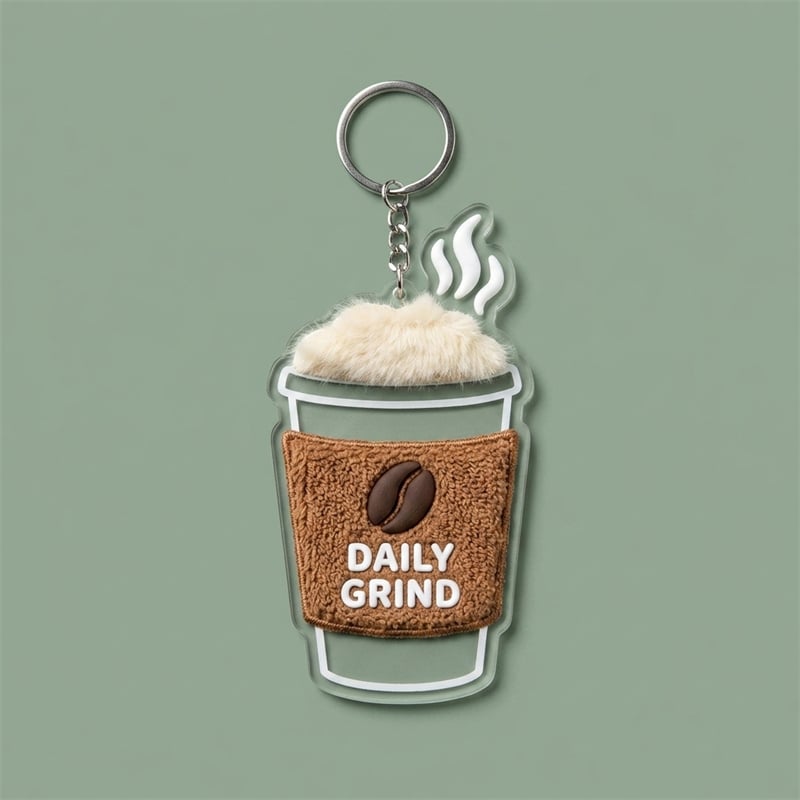
When it comes to retail key chains, choosing the right packaging options is crucial for attracting customers and ensuring product integrity. Various packaging solutions can enhance the aesthetic appeal and functionality of key chains, making them more appealing to buyers. This article will explore the different packaging options that work for retail key chains, addressing key concerns for B2B buyers, including material selection, customization capabilities, and cost considerations.
What Packaging Options Are Best for Retail Key Chains?
The packaging for retail key chains not only serves to protect the product but also plays a vital role in marketing. Here are some popular packaging options suitable for retail key chains:
Blister Packs: These are clear plastic packaging that encapsulates the key chain securely while providing visibility. They are ideal for retail displays as they allow customers to see the product without opening the package. Blister packs can be customized with printed backing cards that promote branding or include necessary product information.
Gift Boxes: For higher-end acrylic keychain or promotional items, gift boxes offer a premium feel. These can be made from sturdy cardboard and can be designed with custom colors, logos, and finishes. Gift boxes not only protect the key chains but also enhance the un-boxing experience for the consumer.
Poly Bags: Clear or printed poly bags are a cost-effective option for packaging key chains. They can be heat-sealed or zip-locked, making them easy to open and reseal. While they may not offer the same level of protection as blister packs or boxes, they are lightweight and versatile, allowing for quick packaging in bulk.
Hang Tags: These can be used in conjunction with other packaging methods or stand alone. A hang tag can include branding information and product details, making it easy for customers to understand the product's features at a glance. They are particularly effective for key chains that are displayed on hooks in retail environments.
Eco-Friendly Packaging: As sustainability becomes increasingly important to consumers, eco-friendly packaging options, such as biodegradable bags or recycled cardboard boxes, are gaining popularity. These materials can enhance your brand's image while appealing to environmentally conscious buyers.
How to Choose the Right Packaging for Key Chains Wholesale
Selecting the right packaging for key chains in wholesale requires careful consideration of several factors:
Product Type and Size: The dimensions and design of the key chain will influence the type of packaging required. For instance, bulky or intricately designed key chains may need more robust packaging options like gift boxes, while simpler designs might be fine in poly bags.
Target Audience: Understanding your target market is essential. If the key chains are aimed at children, vibrant colors and playful designs may be more appealing. Conversely, key chains intended for corporate gifts may require more sophisticated packaging.
Customization Needs: Consider whether you need custom packaging that reflects your brand identity. Customization options can enhance brand recognition and provide a competitive edge. Ensure your packaging partner can accommodate your design needs.
Cost and Budget: Packaging costs can vary significantly based on materials, design complexity, and quantities. It's essential to align packaging choices with your budget while considering the potential return on investment through increased sales.
Logistics and Distribution: The packaging must also facilitate easy handling and shipping. Lightweight yet durable materials can help reduce shipping costs without compromising product integrity.
What You Need to Know
When selecting packaging for retail key chains, here are some critical aspects to keep in mind:
Material Considerations: The choice of material affects both the protection of the key chain souvenir design and its visual appeal. For example, plastic materials can provide clear visibility but may not offer the same premium perception as cardboard or eco-friendly options.
Manufacturing Capabilities: Ensure that your packaging supplier has the necessary equipment and expertise to produce the packaging types you require. This includes capabilities for printing, cutting, and assembling various packaging formats.
Quality Control Processes: A reliable supplier should have stringent quality control measures in place to ensure that the packaging meets your specifications and maintains consistency across orders.
Lead Times: Be aware of lead times for packaging production, especially if you require custom designs. Early planning can help avoid delays in your overall product launch timeline.
A Guide
Here’s a practical checklist for evaluating packaging options for key chains:
Define Your Product: Assess the key chain's design, size, and materials.
Identify Your Target Market: Understand your audience’s preferences.
Choose Packaging Type: Decide between blister packs, gift boxes, poly bags, etc.
Consider Customization: Explore branding opportunities through custom designs.
Evaluate Costs: Obtain quotes from suppliers to compare pricing.
Confirm Supplier Capabilities: Ensure your chosen supplier can meet your needs.
Test Samples: Always request samples to evaluate quality and appearance before placing a bulk order.
Cost Factors to Consider When Selecting Key Chain Packaging
When selecting packaging for retail key chains designer, various cost factors must be taken into account:
Material Costs: Different materials come with varying price points. For instance, eco-friendly materials may be more expensive than standard plastics or cardboard.
Customization Fees: Custom designs and branding elements can increase costs. Be sure to discuss these with your supplier upfront to avoid unexpected expenses.
Minimum Order Quantities (MOQ): Many suppliers set a minimum order quantity. Understanding these requirements will help you determine if the packaging solution fits within your budget.
Production and Shipping Costs: Factor in the costs associated with production timelines and shipping logistics. Delays or expedited shipping needs can influence overall expenses.
Long-term Value: Consider the potential return on investment. Well-designed packaging that enhances product appeal can lead to increased sales and customer loyalty, justifying higher upfront costs.
By carefully evaluating these factors and options, B2B buyers can make informed decisions regarding the best packaging solutions for retail key chains, ensuring that they meet both product and customer expectations while fostering brand identity.