
 EN
EN
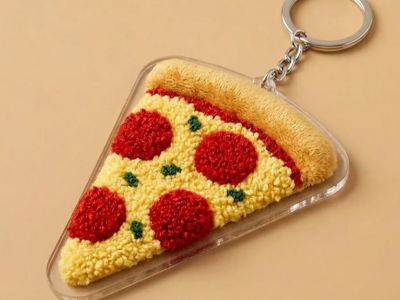
The evolution of key chain designs in global retail reflects a dynamic interplay between functionality, aesthetics, and branding. As a B2B buyer, understanding the trends and intricacies in key chain production is essential in making informed purchasing decisions. This article will guide you through the factors to consider when selecting Rhinestone design key chain manufacturers, the essentials for successful sales, key cost considerations, best display practices, and common design issues along with their solutions.
Evaluating Key Chain Manufacturers for Bulk Orders
When looking for a key chain manufacturer for bulk orders, several criteria should be taken into account. First, assess the manufacturer's production capabilities, including the types of materials they can work with—such as metal, plastic, or eco-friendly options—and their manufacturing processes. Additionally, inquire about their production equipment, as modern machinery can significantly enhance quality and efficiency.
Quality control processes are another critical factor. Ensure the manufacturer has a system to monitor quality throughout the production cycle, from sourcing raw materials to final inspections. Certifications such as ISO or other relevant industry standards can be indicators of a reliable manufacturer. Also, evaluate their customization capabilities, as tailored designs can help differentiate your product in the market. Be clear about minimum order quantities (MOQ) and lead times; these can vary significantly between manufacturers and can impact your inventory management.
What You Need to Know for Successful Sales?
Successful sales of key chains depend on understanding the target market and effectively communicating the product’s unique value proposition. Start by identifying the specific audience for your Glitter design key chains—whether they are promotional items, retail products, or part of a larger branding strategy. Highlight features that resonate with your target market, such as durability, design aesthetic, or eco-friendliness.
Sales strategies should also include effective pricing that reflects production costs while remaining competitive. Buyers often look for value beyond just the price, so emphasizing quality and design can justify a higher price point. Additionally, providing samples can significantly aid in the sales process; they allow potential clients to evaluate the product's quality firsthand before committing to larger orders.
Understanding Cost Factors in Key Chain Manufacturing and Sourcing
Various cost factors come into play when manufacturing key chains. Material selection is one of the most significant—different materials come with varying costs that can impact the overall pricing of your product. For instance, metal key chains may be more expensive than plastic but can offer a premium feel that appeals to certain markets.
Labor costs and production techniques also influence pricing. Automated processes can lower labor costs but may require a higher initial investment in machinery. Conversely, handcrafted key chains can attract a higher price point but may have longer lead times due to the labor-intensive nature of production.
Shipping costs and logistics should not be overlooked. Depending on the manufacturer’s location and your delivery requirements, shipping can add a substantial amount to the final cost. It’s wise to factor in these costs when negotiating with suppliers. Additionally, understanding the tax implications and tariffs related to importing key chains can further affect your overall budget.
Best Practices for Displaying Key Chains in Stores
Effective display strategies for key chains can enhance visibility and encourage sales. Use eye-catching displays that align with the brand’s aesthetics—consider using clear acrylic stands or themed displays that reflect the key chain designs.
Placement is also crucial; positioning key chains at eye level can increase their chances of being noticed by customers. Grouping similar items together, such as by theme or color, can make it easier for consumers to make choices. Additionally, consider incorporating interactive elements, such as allowing customers to touch and feel the Souvenir Design key chains, which can enhance engagement and lead to increased sales.
Lastly, signage can play a pivotal role in informing customers about the features and benefits of the key chains. Clear labeling that outlines the unique selling points can guide purchase decisions and increase perceived value.
Common Problems with Key Chain Designs and Effective Solutions for Buyers
Key chain designs can encounter several common issues, such as durability concerns, aesthetic mismatches, and production inconsistencies. Durability is often a primary concern; selecting the right materials can mitigate issues like breakage or wear over time. For instance, using high-grade metals or resilient plastics can enhance longevity.
Aesthetic mismatches can occur when the final product does not match the approved designs. To avoid this, it is crucial to approve samples that reflect the final production quality. This includes assessing dimensions, finishes, and colors to ensure they meet expectations.
Production inconsistencies can arise from variations in manufacturing processes or equipment. Establishing a robust quality control process, including regular checks during production and a final inspection, can help identify and rectify these issues before products reach the market. Buyers should also maintain open communication with manufacturers throughout the production process to address any concerns promptly.
To request a quotation for key chains, prepare details such as product type, required dimensions, material preferences, application context, quantity, and any technical drawings or artwork that may assist in the production process. This preparation will facilitate a smooth discussion with potential suppliers, ensuring your specific needs are met.