
 EN
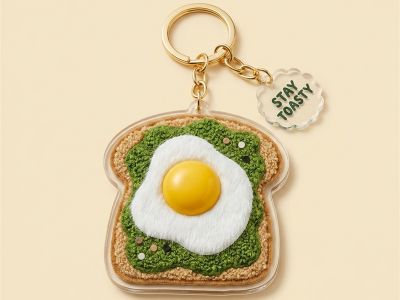
Innovative key chain materials are essential for creating modern accessories that appeal to consumers. As a B2B buyer, understanding the various materials available, their specifications, and how they affect functionality is crucial for making informed purchasing decisions. This article will explore the different key chain materials, considerations for wholesale orders, and essential factors to evaluate when selecting innovative key chain materials for your product offerings
How to Choose the Right Key Chain Material for Wholesale Orders
Selecting the right key chain material for wholesale orders requires a thorough understanding of your target market and the specific application of the key chains. Common materials include metal, plastic, rubber, leather, and eco-friendly options like recycled materials. Each material offers unique properties that can influence durability, aesthetic appeal, and cost
Market Trends: Analyze which materials are currently popular in the market. For instance, metal key chains often convey a premium feel, while eco-friendly materials can attract environmentally conscious consumers
Functionality: Consider the intended use of the key chains. If they will be used frequently, opt for durable materials like stainless steel or high-density polyethylene that can withstand wear and tear. Conversely, if they are for promotional use, lighter materials may suffice
Customization Requirements: Determine if the key chains will require branding or customization. Some materials, like plastic, are easier to print on, whereas engraving might be more suitable for metals
Understanding these factors will guide you in selecting the appropriate material that aligns with your business goals and customer expectations

Key Chain Materials for Modern Accessories
The choice of materials plays a significant role in the design and functionality of key chains. Here are some popular materials used in modern key chain accessories
Metal: Stainless steel and aluminum are frequently used for their strength and resistance to corrosion. Metal key chains can be customized through engraving or screen printing, making them ideal for promotional purposes
Plastic: Lightweight and cost-effective, plastic key chains can be molded into various shapes and colors. They are suitable for high-volume production and can be made from recycled materials, offering an eco-friendly option
Rubber: Soft and flexible, rubber key chains provide a unique tactile experience. They can be produced in vibrant colors and are often used for novelty items or children’s products
Leather: Leather key chains add a touch of luxury and are often used in high-end accessories. They can be embossed with logos or designs, enhancing their appeal
Eco-Friendly Materials: With growing consumer interest in sustainability, materials like biodegradable plastics or recycled metals are becoming more popular. These options can help brands position themselves as environmentally responsible
Understanding the characteristics of these materials can help you decide which is best suited for your product line and target audience
Specifications You Need to Know for Bulk Orders
When placing bulk orders for key chains, several specifications should be confirmed to ensure the final product meets your requirements
Dimensions: Specify the size of the key chains, including length, width, and thickness. This is important for functionality, as it affects how the key chains will be used and carried
Weight: The weight of the key chain can influence its appeal. Heavier key chains may feel more substantial and durable, while lighter options may be preferred for portability
Material Thickness: For materials like rubber or plastic, thickness can affect durability and appearance. Ensure that the chosen thickness aligns with the intended use
Color and Finish: Define the color options and finish (matte, glossy, brushed, etc.) you require. These details can significantly impact the aesthetic of the final product
Packaging Requirements: Specify how you want the key chains packaged. This could include individual packaging for retail display or bulk packaging for distribution
Confirming these specifications upfront can help prevent costly misunderstandings during production and ensure the final product meets your quality standards
Evaluating Cost Factors for Innovative Key Chain Materials
Understanding the cost factors involved in producing key chains is crucial for maintaining competitive pricing while ensuring quality. Key factors include
Material Costs: The choice of material directly affects the overall cost. For example, metal key chains typically cost more than plastic due to material and machining expenses
Manufacturing Process: Different materials require different production techniques, which can impact labor costs and lead time. For instance, injection molding for plastic key chains might be less expensive for high volumes compared to die-casting metal key chains
Customization Options: Customization, such as printing or engraving, adds to the cost. The complexity and methods used will influence the final price
Order Quantity: Bulk orders often come with reduced per-unit costs, but it is essential to balance inventory levels with market demand. Understanding your minimum order quantity (MOQ) can help you plan accordingly
Shipping and Handling: Factor in shipping costs based on weight and dimensions. This can be significant for heavier materials like metal
By evaluating these cost factors, you can develop a pricing strategy that aligns with your budget while meeting customer expectations
Installation Guidance for Modern Key Ch ain Accessory Applications
Installing key chains may seem straightforward, but ensuring their proper use can enhance customer satisfaction. Here are some practical installation tips for key chain accessories
Attachment Method: Decide on the attachment mechanism, such as split rings, clips, or carabiners. Each method has different installation requirements and impacts how securely the key chain holds items
User Instructions: Provide clear instructions on how to attach the key chain to keys or bags. This can include diagrams or simple text, ensuring users understand how to utilize the product effectively
Testing for Durability: Before mass production, consider testing the key chains under expected usage conditions. This may include hanging weights or repeated opening and closing of clips to evaluate durability
Maintenance Recommendations: Advise customers on how to care for their key chains. For example, metal key chains may need periodic cleaning to prevent tarnishing, while rubber key chains may require gentle wiping to maintain color vibrancy
By offering installation guidance, you can improve the user experience and reduce potential returns due to misunderstandings about product use
FAQ
What materials are best for promotional key chains
Plastic and metal are popular for promotional key chains due to their cost-effectiveness and customization options
How can I ensure the quality of bulk key chain orders
Specify clear dimensions, weight, materials, and packaging requirements. Consider requesting samples before approving mass production
What are the common issues to watch for with key chain materials
Common issues include color fading, material wear, and attachment failures. Testing prototypes can help identify these problems before full-scale production
What factors affect the pricing of key chains
Pricing is influenced by material costs, manufacturing processes, order quantities, and customization options. Always evaluate these factors when planning a purchase