
 EN
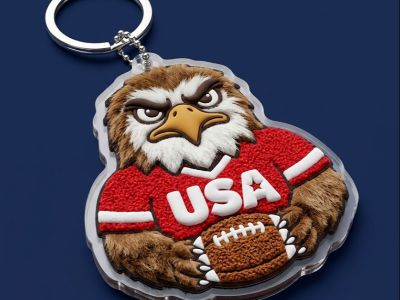
Custom key chains have become a popular promotional tool for businesses, allowing them to showcase their brand logos in a functional and visually appealing manner. We will explore how custom key chains are developed from brand logos, addressing key concerns for B2B buyers, such as material selection, manufacturing processes, quality standards, and installation guidance. Understanding these aspects can help purchasing managers and product managers make informed decisions when sourcing custom key chains for their marketing or corporate needs.
How Custom Key Chains Are Manufactured from Your Brand Logo?
The manufacturing process of custom key chains begins with the translation of a brand logo into a tangible product. This typically involves several key steps:
Design Translation: The initial step is converting the brand logo into a suitable format for key chain production. This often requires graphic design expertise to ensure that the logo is accurately represented in the final product. Designers must consider factors such as size, color fidelity, and detail retention during this phase.
Material Selection: Key chains can be made from various materials, including metal, plastic, rubber, and acrylic. Each material offers unique advantages. For instance, metal key chains are known for their durability and premium feel, while acrylic options allow for vibrant colors and intricate designs. The choice of material will depend on the desired aesthetic, budget, and intended use.
Production Techniques: Common manufacturing techniques include injection molding for plastic key chains, die-casting for metal options, and laser engraving or printing for design application. Each iron on embroidery method has its own set of capabilities and limitations, affecting factors such as detail clarity and production speed.
Prototyping and Approval: Before mass production, it is essential to create a prototype or sample of the key chain. This allows buyers to evaluate the design, material application, and overall functionality. It is highly recommended that buyers thoroughly inspect the prototype, checking for color accuracy, logo clarity, and material quality before giving final approval.
Understanding these steps helps ensure that the final product aligns with the brand’s identity and meets the buyer’s expectations.
Custom Key Chains for Your Business Needs
Custom key chains serve a variety of business functions, from promotional giveaways to corporate gifts. When considering custom key chains, buyers should evaluate their specific needs, including:
Usage Purpose: Determine whether the key chains will be used for promotional events, employee gifts, or merchandise sales. This decision will influence the design and material choice.
Target Audience: Understanding the preferences of the target demographic can guide aesthetic decisions. For example, younger audiences may prefer trendy designs and colors, while more corporate audiences may favor classic and elegant styles.
Volume and Budget: Establishing a minimum order quantity (MOQ) is crucial. Most manufacturers have MOQs that can vary based on the complexity of the design and material. Buyers should assess their budget to ensure that the selected key chains align with their financial constraints.
Customization Options: Many manufacturers, including EYD, offer extensive customization capabilities, such as adding text, choosing colors, or incorporating additional features like bottle openers or flashlights. Buyers should discuss these iron on logo patches options early in the process to explore all possibilities.
By carefully considering these factors, businesses can create custom key chains that effectively promote their brand and resonate with their audience.
Comparing Quality Standards in Custom Key Chain Production
Quality is a critical aspect of custom key chain production, as it directly impacts the perception of the brand. When evaluating quality standards, buyers should consider the following:
Material Quality: Different materials come with varying levels of durability and finish quality. For example, stainless steel key chains are resistant to rust and wear, while plastic options may degrade over time if exposed to sunlight or moisture. The choice of custom logo iron on patches material should align with the expected use and longevity of the product.
Manufacturing Precision: The precision of the manufacturing process affects the final appearance of the key chain. Techniques such as laser engraving require high accuracy to ensure that logos and text are clearly defined. Buyers should inquire about the production equipment used and the manufacturer’s quality control measures.
Certification and Compliance: Some buyers may require specific certifications indicating that the materials used are safe and environmentally friendly. Manufacturers should be able to provide information on compliance with relevant industry standards.
Sample Approval Process: Implementing a robust sample approval process can help ensure that the final products meet quality expectations. Buyers should request samples from previous projects to assess the manufacturer's capabilities.
By understanding these quality factors, buyers can select a manufacturer who meets their standards, ensuring that their key chains are both functional and visually appealing.
Installation Guidance for Using Custom Key Chains in Promotions
Using custom key chains effectively in promotions requires strategic planning. Here are some key considerations:
Distribution Strategy: Determine how the key chains will be distributed. Options may include direct giveaways at events, inclusion in product packaging, or as part of a promotional bundle. The method of distribution can influence the design and material choice, as well as the quantity needed.
Marketing Integration: Key chains can be an effective marketing tool when integrated into broader campaigns. Consider how they can complement other promotional items or marketing strategies. For example, pairing key chains with branded bags or apparel can enhance brand visibility.
Timing and Context: Timing is vital for promotional success. Aligning the distribution of key chains with events, product launches, or seasonal campaigns can maximize their impact.
Effective Messaging: Make sure that the key chain design includes a clear message or call to action that aligns with your promotional goals. This could be a website URL, social media handle, or a slogan that resonates with your audience.
By strategically planning the usage of custom key chains, businesses can enhance their promotional efforts and strengthen brand recognition.
Common Problems in Custom Key Chain Production and Solutions
While producing custom key chains, several common challenges may arise. Here are some issues and practical solutions:
Design Flaws: Issues can occur when the initial design does not translate well into the final product. Buyers should work closely with designers and manufacturers to ensure that the logo and design elements are compatible with the chosen production method.
Material Limitations: Certain materials may not perform well in specific applications. For instance, a lightweight plastic key chain may not withstand heavy use. Buyers should consult with manufacturers about material properties and suitability to avoid this pitfall.
Production Delays: Delays can stem from various factors, including equipment malfunctions or supply chain issues. To mitigate this risk, buyers should establish clear timelines and maintain open communication with manufacturers throughout the production process.
Quality Inconsistencies: Variability in product quality can arise, especially in larger orders. Implementing a quality control plan that includes regular inspections and establishing clear specifications can help ensure consistency across all units.
By anticipating these challenges and working closely with a knowledgeable manufacturer like EYD, buyers can navigate common production issues effectively, resulting in a successful custom key chain project.